A poker hand can end with a win and still involve a poor decision—or end in a loss after a sound decision. Reviewing the choices you made, rather than judging the hand by its final result, is a practical way to learn from a session without confusing short-term luck with play quality.
You do not need specialist software to begin. A few notes, a consistent review process and a willingness to question your assumptions can make hand analysis more useful. The goal is not to prove that you were right; it is to identify what information was available at each decision point.
Record the hand while the details are fresh
After a session, write down a small number of hands that made you pause. Include hands that felt uncertain, hands with a large pot, and hands where your decision changed after seeing the result. Avoid reviewing every hand at once: a focused sample is easier to examine carefully.
For each hand, note the details you can recall without filling gaps with guesses:
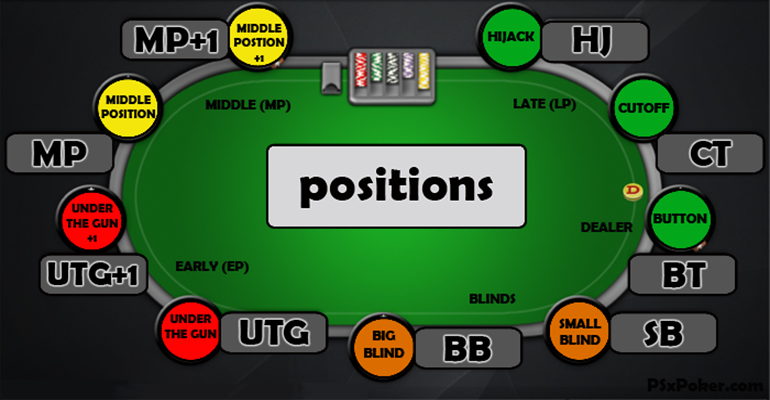
- Your position and the positions of players who entered the pot.
- The actions before and after the flop, including bet sizes if remembered.
- Your hand and the community cards at each decision.
- What you thought your opponent might hold, and why.
- The options you considered, such as checking, calling, raising or folding.
Separate remembered facts from interpretations. “Opponent bet half the pot” is a factual note; “opponent had a strong hand” is an inference. Mark uncertain details as uncertain rather than silently turning them into facts.
Review each decision in sequence
Start at the first point where you had a meaningful choice. Ask what you knew then—not what the showdown later revealed. Consider the action, the size of the pot, your position, the board and the betting so far. Then list the reasonable alternatives and the information that might support each one.
Position matters because it affects how much information you have when acting. If this is a recurring source of uncertainty, revisit how position shapes poker decisions before assessing the hand.
Next, move to the following decision and repeat the process. A call on the river may be the most dramatic choice, but earlier actions can shape the situation you face later. Reviewing the whole sequence helps avoid treating one final decision as if it happened in isolation.
Use questions that separate process from outcome
Rather than asking “Did I win?” or “Was that a bad play?”, use questions that reveal your reasoning:
- What was I trying to achieve with this action?
- Which hands or types of play did I think my opponent could have?
- What evidence supported that estimate at the time?
- Did I consider a less costly alternative?
- Would I make the same choice if the cards at showdown were unknown?
That last question is a useful check against hindsight bias. If you would defend a decision only because you saw your opponent’s cards, the result may be doing too much work in your analysis. Conversely, a fortunate outcome does not automatically validate the choices that led to it.
Look for patterns, not a single “perfect” answer
One hand rarely proves that a strategy is right or wrong. Instead, note repeated tendencies across several reviews. For example, you may find that you often continue without a clear plan for later streets, or that you make decisions quickly when facing a raise. Treat these as questions to investigate, not as definitive diagnoses.
When you are unsure about a concept, consult a basic strategy guide and compare its reasoning with the situation you recorded. A general collection of practical poker tips can provide prompts, but no short tip replaces the details of a particular hand. You can also review common considerations for online poker play while keeping in mind that broad advice may not fit every table or format.
Keep a short, repeatable review routine
For each hand, finish with one sentence about what you learned and one question for next time. Keep the note specific: “Before calling a large turn bet, I’ll identify which weaker hands could bet this way” is more actionable than “play better.” If you cannot reach a confident conclusion, record what information is missing and move on rather than forcing certainty.
Reviewing poker hands is most useful when it improves the quality of future decisions, not when it becomes a search for blame. Separate the decision from the result, use only the information available at the time, and look for patterns over multiple hands. If gambling stops being enjoyable or starts causing financial or personal harm, take a break and seek appropriate support.